
Radon Mitigation for Slab-on-Bedrock in Jefferson County, MO
By Jake Lusby · Air Sense Environmental
Radon mitigation for homes with basement slabs poured directly on bedrock presents a unique challenge, particularly in areas like St. Louis, MO, and surrounding Jefferson County. This specific situation arises when a home’s foundation lacks the permeable gravel layer typically found beneath a concrete slab, which is essential for conventional sub-slab depressurization systems.
Without this crucial sub-base, radon gas cannot easily be drawn from beneath the home, making it difficult to consistently reduce levels below the EPA action level of 4.0 pCi/L. The EPA emphasizes that any radon exposure carries some risk, and effective mitigation is vital for home safety.
This guide explores why bedrock foundations complicate radon reduction and outlines specialized, effective mitigation methods that Air Sense Environmental employs to ensure a healthier living environment.
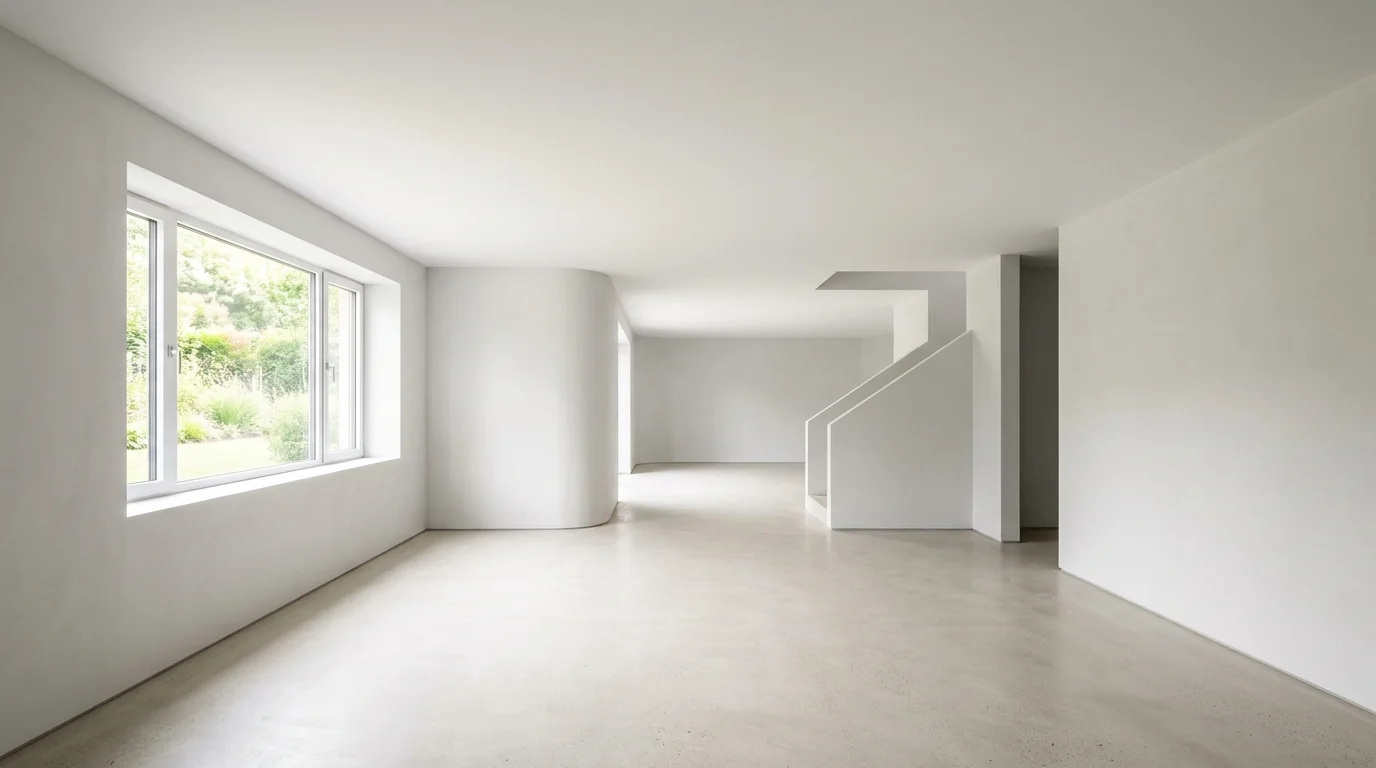
Why does a slab-on-bedrock foundation complicate radon mitigation?
A slab-on-bedrock foundation complicates radon mitigation because it lacks the permeable gravel layer needed to easily draw radon gas from beneath the home. For homes in areas like Jefferson County, MO, and the broader St. Louis metro area, this absence of a granular sub-base makes it difficult to consistently reduce levels below the EPA action level of 4.0 pCi/L. Air Sense Environmental specializes in addressing these unique geological challenges.
Several factors contribute to the difficulty of mitigating radon in these bedrock-based homes:
- Poor Soil Communication: When concrete is poured directly onto bedrock, the absence of a granular layer prevents air from moving freely beneath the slab. This makes it challenging to create uniform negative pressure, which is essential for drawing radon away from the foundation, as described by the EPA.
- Unpredictable Airflow: Natural fractures and fissures in the bedrock can create unpredictable pathways for radon entry, making it difficult to determine where suction points will be most effective.
- Limited Void Space: The tight contact between the slab and bedrock leaves minimal void space for radon to collect and be extracted, hindering the effectiveness of conventional sub-slab suction methods.
- Increased Sealing Challenges: Radon typically enters homes through cracks and other openings in the foundation, as noted in A Citizen’s Guide to Radon. In bedrock foundations, these entry points can be numerous and complex, requiring extensive and precise sealing efforts.
What are effective radon mitigation methods for bedrock foundations?
Effective radon mitigation methods for bedrock foundations include drain tile depressurization, sump pit depressurization, block wall depressurization, and sub-membrane depressurization. When a basement slab is poured directly onto bedrock, traditional sub-slab depressurization is challenging due to limited airflow beneath the foundation. These alternative techniques aim to reduce indoor radon levels by addressing radon entry points differently. The EPA recommends fixing levels at 4.0 pCi/L or higher, and a professional assessment is crucial for selecting the most appropriate system for your Jefferson County home.
Drain Tile Depressurization
If your home has an existing interior or exterior drain tile system, these perforated pipes can create a suction field. A radon fan draws air and radon gas from the drain tile network, venting it safely outdoors. This method effectively depressurizes the soil around the foundation, preventing radon from entering.
Sump Pit Depressurization
For basements with a sump pump, the sump pit can be sealed with an airtight cover and converted into a suction point. A vent pipe and fan connect to draw radon gas from the soil beneath the slab, releasing it outdoors. This technique leverages an existing structural feature to create negative pressure.
Block Wall Depressurization
Homes with hollow block foundation walls benefit from block wall depressurization. This method involves sealing the top of the block walls and creating suction within the wall cavities to draw out radon gas before it enters the living space. It is often used with other techniques for comprehensive mitigation.
Sub-Membrane Depressurization
While commonly used in crawl spaces, sub-membrane depressurization is a supplementary solution for bedrock foundations with accessible soil areas. A durable plastic sheet is laid over the exposed earth, sealed to the foundation walls. A fan creates suction beneath the membrane to collect and vent radon gas.
How do specialized radon mitigation systems work with bedrock?
Specialized radon mitigation systems work with bedrock by adapting proven techniques to create effective negative pressure or block radon entry where limited sub-slab airflow exists. While active sub-slab depressurization is generally the most reliable method, bedrock can hinder its effectiveness by preventing easy air movement beneath the slab, as detailed in the EPA’s Consumer’s Guide to Radon Reduction. These systems are designed to reduce indoor radon concentrations, ideally below the EPA action level of 4.0 pCi/L, though any radon exposure carries some risk.
Key components and strategies include:
- Enhanced Sealing: Sealing cracks and other foundation openings is a fundamental part of most radon reduction strategies. This limits radon entry and improves the efficiency of other mitigation techniques by creating a more contained environment for depressurization.
- Strategic Suction Points: When a permeable layer is absent, Air Sense Environmental professionals may need to install multiple suction pipes or utilize existing features like drain tiles or sump pits to draw radon from localized areas beneath the slab. This ensures communication with the bedrock’s natural fractures.
- Powerful Vent Fans: Active systems rely on a robust radon vent fan connected to suction pipes. This fan draws gas from below the home and releases it safely outdoors, typically above the roofline. A warning device ensures the system operates correctly, providing continuous protection.
- Pressure Field Extension: Diagnostic tests, such as soil communication tests, are crucial to determine how effectively a vacuum can be created under the slab. For bedrock, this often involves extending the pressure field through targeted drilling or additional suction points to overcome geological inconsistencies.
Why is professional assessment crucial for bedrock radon issues in Jefferson County?
Professional assessment is crucial for bedrock radon issues in Jefferson County, Missouri, because these unique geological conditions demand specialized mitigation strategies. In areas like the greater St. Louis, MO metro, where bedrock foundations are common, homeowners face distinct challenges. According to the EPA, radon is the second leading cause of lung cancer, and even levels below the EPA’s action level of 4.0 pCi/L still pose a risk, as highlighted in A Citizen’s Guide to Radon. DIY attempts can be ineffective or even worsen the problem, making expert diagnosis from Air Sense Environmental essential for accurate solutions. This begins with thorough radon testing to understand the specific challenges.
Here are key reasons why professional assessment is vital:
- Complexity of bedrock geology: Bedrock can have unpredictable fissures and channels, making it difficult to locate primary radon entry points without specialized diagnostic tools.
- Customized system design: Standard sub-slab depressurization systems may not work effectively due to poor communication under the slab, requiring alternative methods.
- Risk of improper sealing: Inexperienced attempts to seal cracks in bedrock foundations may not be durable or comprehensive enough, allowing radon to continue entering the home.
- Post-mitigation verification: Professionals ensure the system effectively reduces radon levels and provide proper warning devices to confirm ongoing operation.
How does bedrock affect home radon safety in Jefferson County?
Bedrock affects home radon safety in Jefferson County by providing unpredictable natural fractures that allow radon gas to enter the home through foundation cracks. Radon gas, a naturally occurring radioactive gas, can enter homes regardless of the sub-slab conditions, posing a health risk according to the EPA. Air Sense Environmental works to reduce levels below the EPA action level of 4.0 pCi/L. Bedrock influences radon entry in three main ways:
- Natural Fractures: Bedrock contains unpredictable fissures that act as direct pathways for radon gas to travel from deep underground to your foundation.
- Lack of Soil Buffer: Without a deep layer of soil or gravel to disperse the gas, radon concentrates directly against the concrete slab.
- Complex Sealing Needs: The tight contact between the slab and bedrock means that even hairline cracks can become significant entry points for radon gas.
Can a slab-on-bedrock foundation still have a sub-slab depressurization system?
Yes, a sub-slab depressurization system can still be installed in homes with slab-on-bedrock foundations, though it presents unique challenges. The absence of a permeable gravel layer beneath the slab means that establishing uniform airflow is more difficult. Air Sense Environmental uses specialized techniques to create an effective pressure field and reach levels below the EPA action level of 4.0 pCi/L.
Multiple Suction Points
Instead of a single suction point, bedrock foundations often require multiple pipes installed through the slab. This helps extend the vacuum effect across areas where airflow is blocked by solid rock.
Utilizing Existing Fractures
Installers can sometimes leverage the natural fractures in the bedrock itself. By targeting these fissures, the system can draw radon gas out of the rock before it enters the living space.
High-Suction Fans
Because air does not move easily without a gravel layer, specialized high-suction radon fans are frequently necessary to pull the gas through tight spaces and dense materials.
How long does radon mitigation for a bedrock foundation typically take?
The installation of a radon mitigation system for a bedrock foundation typically takes one to two days. This timeframe can vary based on the complexity of the home’s geological features and the specific mitigation method chosen. The complete process involves several distinct phases to ensure radon levels are reduced below the EPA action level of 4.0 pCi/L.
- Initial Assessment: A thorough evaluation of the foundation, bedrock contact, and potential suction points.
- System Installation: The physical installation of pipes, sealing of cracks, and mounting of the radon fan, which usually takes one to two days.
- System Activation: Turning on the fan and verifying that a pressure field is established beneath the slab.
- Post-Mitigation Testing: Conducting a follow-up radon test within 30 days to verify the system’s effectiveness.
Is radon testing necessary if my home is built on bedrock?
Yes, radon testing is absolutely necessary for any home, including those built on bedrock. Radon gas originates from the natural breakdown of uranium in soil and rock, meaning bedrock itself can be a significant source. Since radon is colorless, odorless, and tasteless, testing is the only reliable way to determine if elevated levels are present. The EPA recommends testing all homes below the third floor to determine if mitigation is needed to reach below the EPA action level of 4.0 pCi/L.
Short-Term Testing
Short-term tests take between two and 90 days. They provide a quick snapshot of your current radon levels and are often used during real estate transactions or initial screenings.
Long-Term Testing
Long-term tests remain in your home for more than 90 days. Because radon levels fluctuate with weather and seasons, a long-term test provides a more accurate understanding of your year-round average exposure.
If you are concerned about radon in your Jefferson County home, especially with a bedrock foundation, testing is the first step. Our experts at Air Sense Environmental can provide a thorough assessment and design a custom mitigation solution. Schedule a consultation today to discuss your specific needs and protect your home.
Prepared with AI assistance using the linked primary sources. For property-specific advice, contact Air Sense Environmental.